

What really happens behind the doors?
Admin Team
Imagine being 19 years old and learning a new job. Only to have life or death emergencies in front of you, time and time again. Georgie explains how rewarding it is when they get to reunite with their owners after emergencies like these.
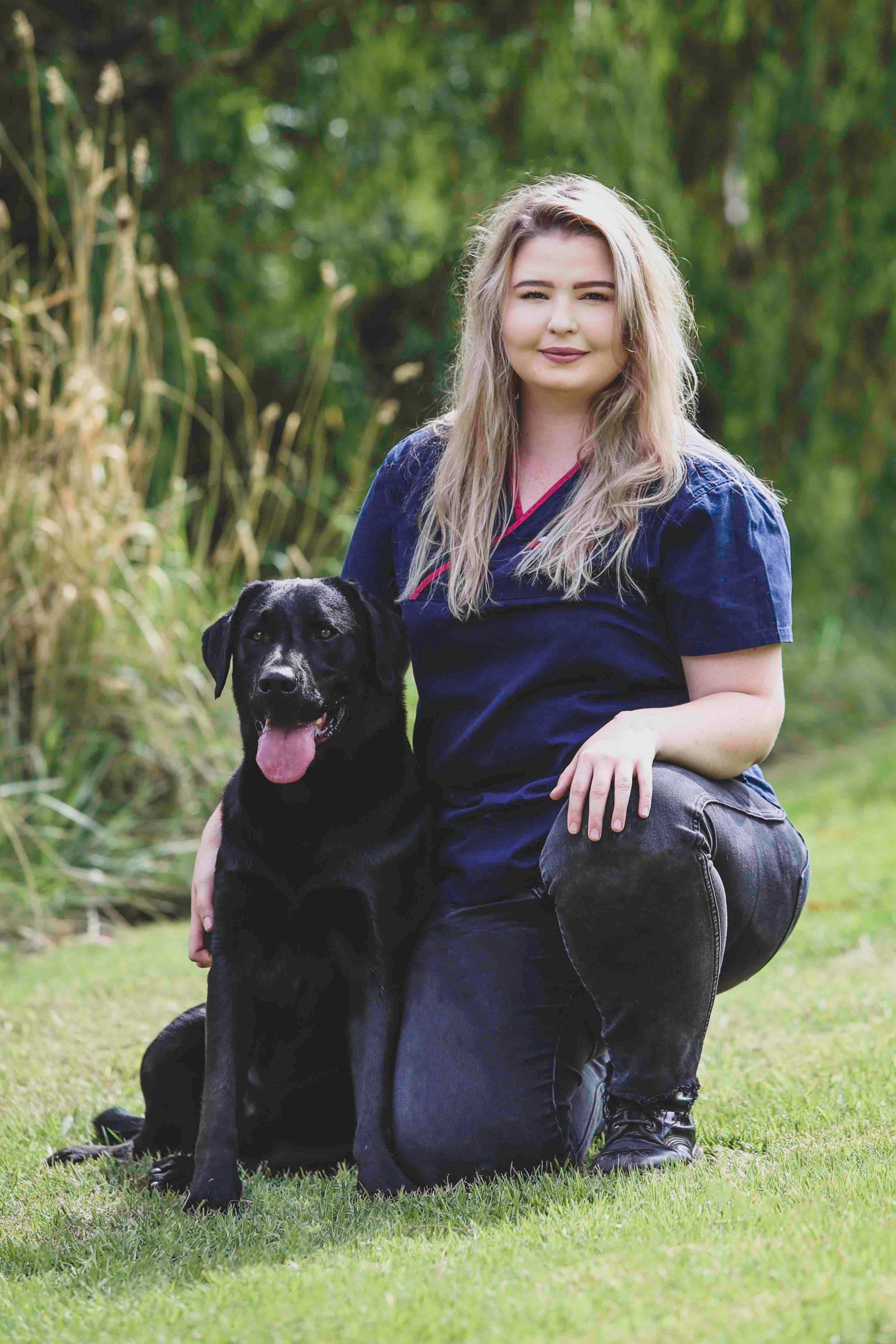
Hi! My name is Georgie Paton and I’m 19 years old.
I’m currently a trainee vet nurse with YVV, I have a beautiful dog named snatch and I love working as a vet nurse here at YVV.
I started doing placement here 6 months ago when I was offered a job 1 month into my placement (BEST DAY EVER!!!)
I started doing placement here 6 months ago when I was offered a job 1 month into my placement (BEST DAY EVER!!!)
When I got this job I thought OMG this is going to be amazing! Puppies and kitten all day every day! Wrong! It is maybe 10% of the animals/cases we deal with and no two days are the same ever….
So within the first couple of months I realised that my life was not just about puppies and kittens. In my first few months the thing I dealt with most frequently was snake bites.
Let me tell you that snake bites are an EMERGENCY!
So I was pretty much thrown in the deep end and I had to swim and I mean really swim. It’s always quite emotional time when snake bite victims come in and no amount of schooling can prepare a nurse for some of the stuff they go through when these animal emergencies come in. It takes a strong person to be a nurse and be able to remain professional in horrific, crazy and emotional times.
When a patient comes in for a snake bite and you spend so much time dedicated to saving it's life, they become so important to you and all your focus is making sure they survive and are going to go and see their loving families again. It truly is a rewarding feeling.
So yes, I had to deal with some really emotional and crazy days but the good days defiantly outweigh the bad. Especially when at the end of the day your patients get to go home and live their best lives with their families. I wouldn’t change this job for the world, it’s a very rewarding and satisfying job. No matter the outcome good or bad there are always lessons to be learnt.
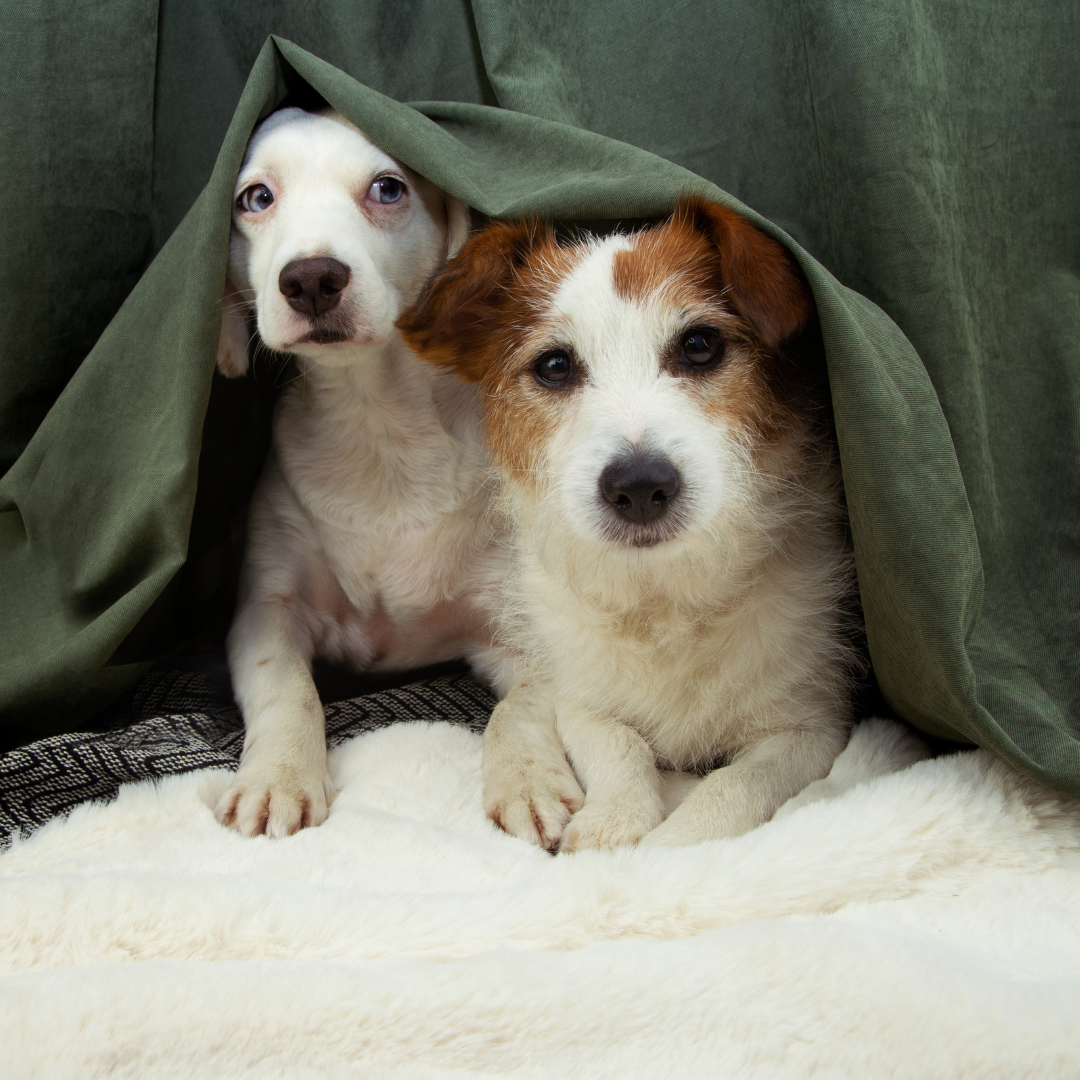
Is your dog or cat easily spooked? Learn how to recognise signs of anxiety in pets, common triggers, and ways to help your pet feel calmer and more secure.
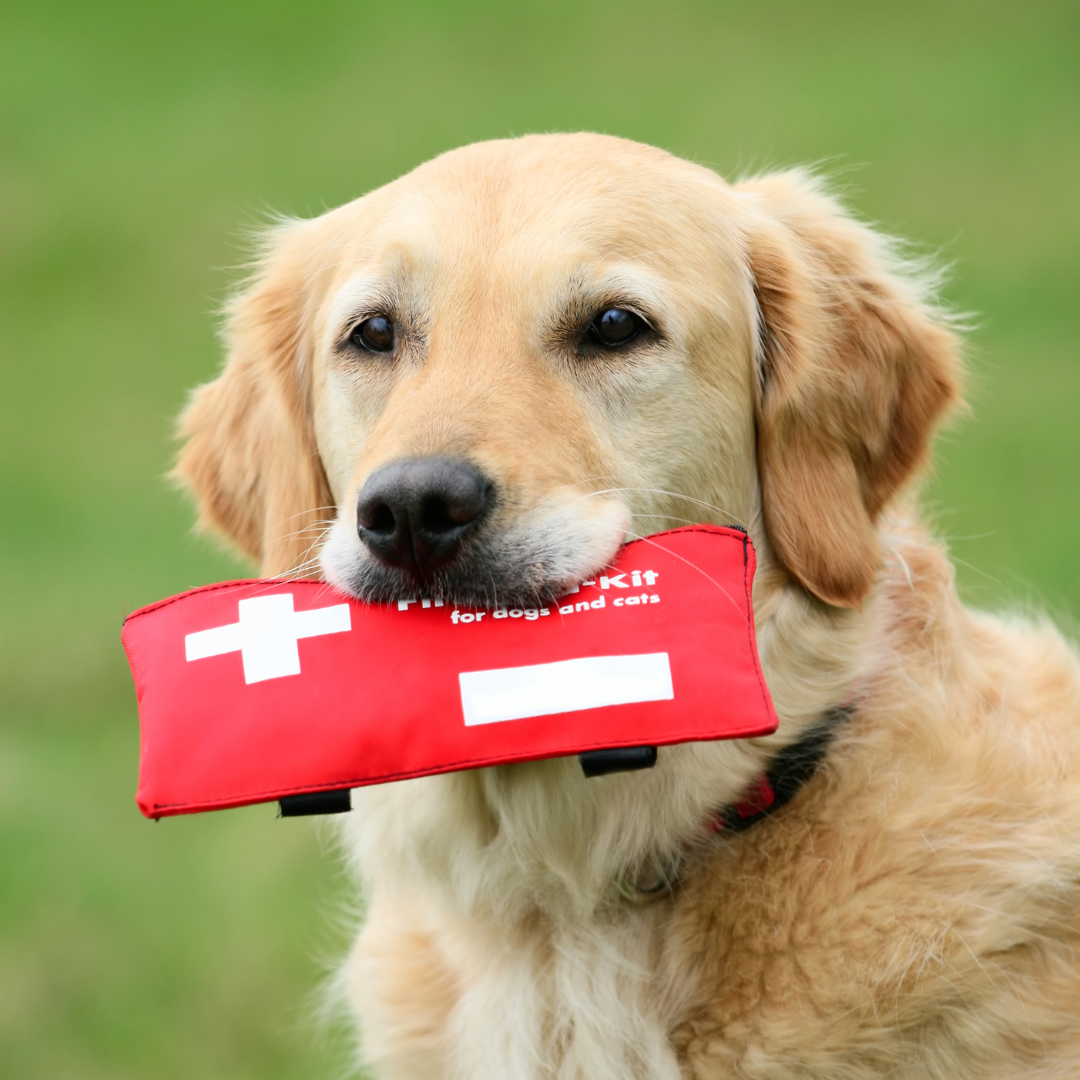
Knowing what to do when your pet is injured or becomes unwell can make a stressful situation feel a little more manageable. While first aid is never a substitute for veterinary treatment, knowing the basics can help you keep your pet safe while you arrange professional care. From bleeding and injuries to seizures, heat stress and toxin ingestion, understanding what to do and what not to do can be invaluable in an emergency. At Yass Valley Veterinary , we’re here to help you understand when your pet needs immediate veterinary attention and how you can provide safe first aid while getting them to the clinic. What to Do in a Pet Emergency The first priority in any emergency is to stay calm and assess the situation. If it is safe to do so: Move slowly and calmly. Keep the environment quiet. Minimise handling. Use a towel or blanket as a barrier if you need to protect yourself. Keep your hands away from your pet’s mouth. Transport your pet to a veterinary clinic as soon as it is safe to do so. Remember: if you’re unsure, treat the situation as an emergency and contact your vet. Check Your Pet’s ABCs In a serious emergency, start by checking your pet’s: Airway: Can air get in? Breathing: Is air moving? Circulation: Is blood flowing? If your pet is having difficulty breathing, has collapsed, is unresponsive, or has pale, white or blue gums, they need immediate veterinary attention. What to Do for Common Pet Emergencies Different emergencies require different first aid responses. Here are some serious situations to be aware of. Wounds and Bleeding If your pet is bleeding: Stay calm. Gently clean the wound with water or saline if appropriate. Apply firm, constant pressure using a clean towel, pad or bandage. Secure the dressing if possible. Seek veterinary treatment. Avoid repeatedly removing the bandage to check the wound, as this can disturb the clot and cause bleeding to start again. If bleeding is severe or uncontrollable, seek emergency veterinary care immediately. Hit by a Car or Other Trauma A pet involved in a road accident or other significant trauma should be assessed by a veterinarian, even if they appear to be okay. First, make sure the scene is safe. Check their ABCs and, if there is bleeding, apply firm, constant pressure. If you need to move your pet, use a blanket or flat surface to support their whole body. Keep their body as straight as possible and support the spine. Do not twist or bend their body, and don’t assume they are okay simply because they appear calm or are able to walk. Transport them to a veterinary clinic immediately. Seizures If your pet has a seizure: Move nearby objects away to help prevent injury. Keep the environment quiet. Time the seizure if you can. Keep your hands away from their mouth. Do not try to restrain them. Once the seizure has stopped, keep your pet calm and arrange veterinary assessment. An active seizure is considered an emergency and requires immediate veterinary attention. Heat Stress and Heatstroke Heat stress can become life-threatening quickly, particularly in hot weather. If your pet is showing signs of heat stress: Move them into shade or indoors. Turn on fans or air conditioning. Get them off hot surfaces such as bitumen or sand. Wet their body with cool water. Keep them calm and limit stimulation. Transport them to a veterinarian. Never leave a pet in a hot car, even for a short period, and don’t wait to see whether they improve before seeking veterinary care. Suspected Toxin Ingestion If you think your pet has eaten or been exposed to something potentially toxic, act quickly. If it is safe: Remove any remaining toxin from their mouth. Identify what they have been exposed to. Bring the packaging or take a photo of the product if possible. Estimate how much they may have consumed (even an approximate amount can be useful). Wear gloves if necessary. Transport your pet to a veterinary clinic immediately. Do not make your pet vomit at home unless specifically instructed to do so by a veterinary professional, and don’t wait for symptoms to appear. When Should I Take My Pet to the Vet? Knowing how urgent your pet’s condition is can be difficult. As a general rule, if you’re unsure, it’s safest to seek veterinary advice. Go to the Vet Immediately Seek emergency veterinary care if your pet has: Difficulty breathing Collapsed or is unresponsive An active seizure Pale, white or blue gums Severe or uncontrollable bleeding Been hit by a car or experienced significant trauma Rapid abdominal swelling or suspected bloat A suspected snake bite or toxin ingestion Signs of paralysis or suspected paralysis tick Extreme heat or cold exposure Seek Veterinary Treatment as Soon as Possible Your pet should also be assessed promptly for: Weakness or altered consciousness Pale gums Severe pain Toxin ingestion Difficulty or inability to urinate Severe dehydration Generalised weakness Persistent vomiting Wounds Neurological signs Even seemingly minor symptoms can sometimes indicate an underlying problem, so if you’re concerned about your pet, contact your veterinary team. How to Safely Handle an Injured or Frightened Pet An injured or frightened pet may behave differently from normal, even if they are usually friendly. Pain and fear can cause pets to bite or scratch. Approach slowly and calmly and speak softly to help reassure them. Avoid direct face-to-face contact and watch for warning signs such as growling, a stiff body or wide eyes. A towel, blanket or jacket can be used as a barrier to help protect you while handling your pet. Keep your face away from their head and avoid putting your hands near their mouth. If it is safe to do so, temporary restraint may help. For dogs, a towel or lead can be used as a makeshift muzzle, but never muzzle a dog if their breathing is compromised or they are vomiting . Cats can be gently wrapped in a towel to help minimise movement. Only move your pet when necessary, such as if they are in immediate danger. If you do need to move them, support their whole body, particularly the spine and limbs. What to Include in a Pet First Aid Kit Having a pet first aid kit at home and when travelling can help you respond quickly to minor injuries while arranging veterinary care. Consider including: Towels Two leashes Pillowcase Sanitary pad or nappy Bandage or pet first aid kit Scissors Bottle of water Plastic bags Gloves Notepad and pen Cling wrap (optional) Keep your first aid supplies somewhere easy to access so you aren’t searching for them during an emergency. Remember: First Aid Isn’t a Substitute for Veterinary Care Pet first aid is about keeping your pet safe and providing basic support while you arrange professional treatment. It shouldn’t delay a veterinary assessment when your pet is seriously injured or unwell. In an emergency, fast is good, but calm is better . Simple actions can make a difference, but getting your pet to a veterinarian as soon as it is safe to do so is the priority. FAQs: Pet First Aid 1. What should I do if my pet is injured? Stay calm, minimise handling and assess their airway, breathing and circulation. If there is bleeding, apply firm, constant pressure with a clean towel, pad or bandage. Seek veterinary treatment as soon as possible. 2. Should I make my dog vomit if they eat something toxic? No. Do not make your pet vomit at home unless specifically instructed by a veterinary professional. Identify what they have ingested, bring the packaging or a photo if possible, and seek veterinary care immediately. 3. What should I do if my pet has a seizure? Move objects away to prevent injury, keep the environment quiet and time the seizure if possible. Don’t restrain your pet or put your hands near their mouth. An active seizure requires immediate veterinary attention. 4. What are the signs of a pet emergency? Difficulty breathing, collapse, an active seizure, pale or blue gums, severe bleeding, significant trauma, rapid abdominal swelling, suspected toxin ingestion, suspected snake bite, paralysis and extreme temperatures are all reasons to seek immediate veterinary care. 5. Should I have a pet first aid kit at home? Yes. Keeping basic supplies such as towels, bandages, gloves, scissors and water readily available can help you respond to minor injuries and emergencies while arranging veterinary care. Be Prepared for a Pet Emergency You can’t always prevent an accident or illness, but being prepared can help you respond calmly when your pet needs you most. Save your veterinary clinic’s phone number, keep a pet first aid kit accessible and familiarise yourself with the signs that require immediate veterinary attention. If you’re ever unsure about your pet’s health or an injury, contact Yass Valley Veterinary for advice or seek veterinary care. 📞 Call us today to speak with our veterinary team about your pet’s health and wellbeing.
The pet wellness program designed to keep your pets happy and healthy all year round. At Yass Valley Veterinary, we’re excited to introduce Supertails, the pet wellness program designed to make it easier (and more affordable) to keep your pets happy and healthy all year round. What is Supertails? Supertails is a simple monthly membership that gives you unlimited vet consults plus discounts on everyday services and preventative care. It’s all about providing peace of mind, affordability, and the very best care for your furry family members. Why Join Supertails? Unlimited vet consults – no extra cost for those “just in case” visits. Exclusive member discounts on routine services like dental, desexing, and vaccinations. Peace of mind knowing you can prioritise your pet’s health without worrying about the bill. Better preventative care with regular visits that catch issues early. Supertails makes it easier to say “yes” to the care your pet deserves.
